
What Is Leverage? How It Works for Filipino Traders
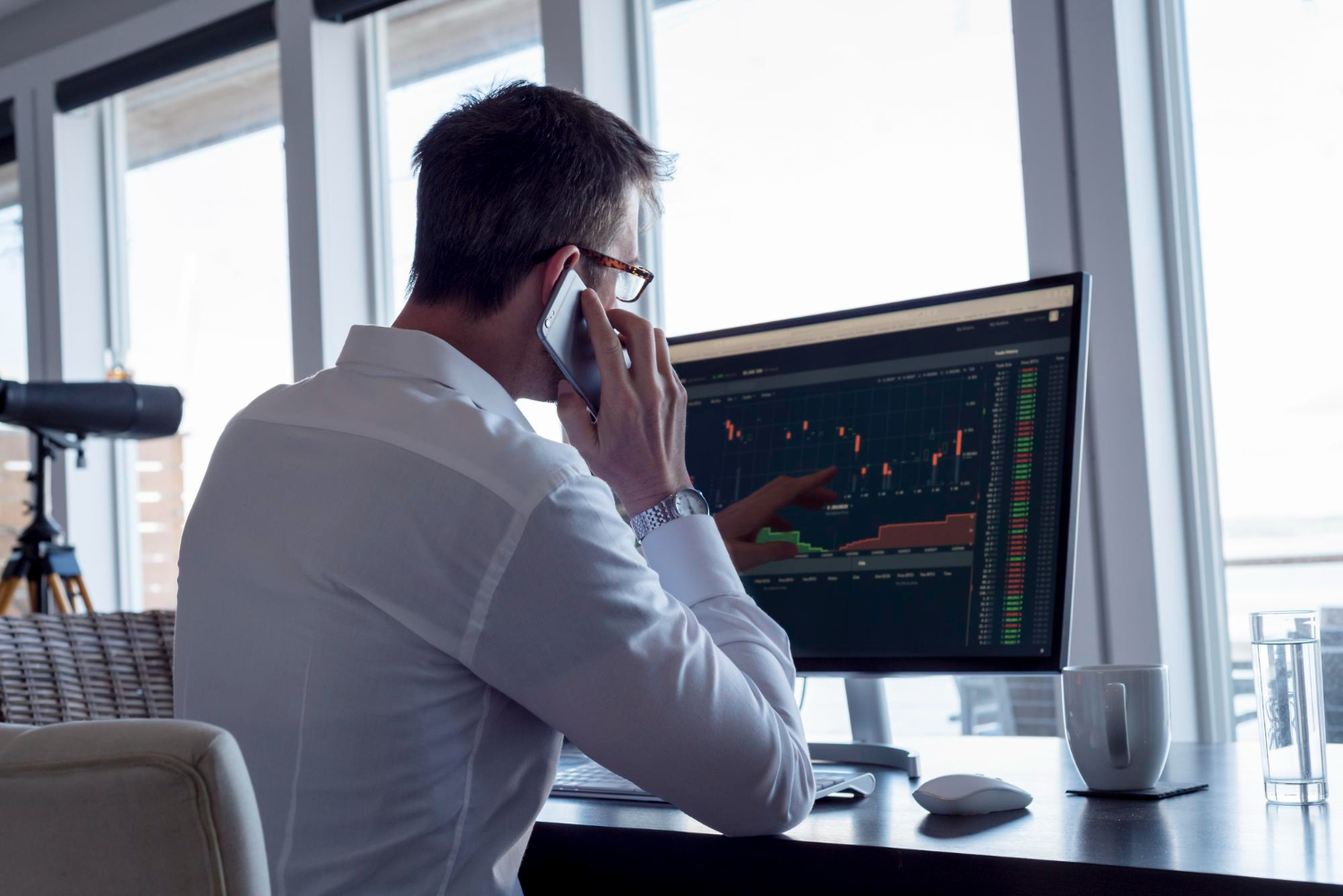
Imagine multiplying your trading capital tenfold with a single leveraged position-unlocking doors to larger profits in the Philippine Forex and stock markets. For Filipino traders, leverage isn’t just a buzzword; it’s a strategic edge amid rising economic volatility, as noted by the Bangko Sentral ng Pilipinas (BSP). Discover its definition, mechanics like margin ratios and position sizing, benefits, risks including margin calls, local regulations, broker selection, and proven strategies to trade smarter.
What Is Leverage in Trading?
Leverage in trading, typically represented as a 1:100 ratio, allows Filipino traders to manage a PHP 1,000,000 position in USD/PHP Forex pairs with a mere PHP 10,000 margin requirement. This mechanism, offered through brokers regulated by the Bangko Sentral ng Pilipinas (BSP), magnifies both potential profits and losses, underscoring the importance of prudent risk management.
Basic Definition
Leverage serves as a fundamental multiplier in trading, enabling traders to control a larger market exposure with a smaller amount of capital. For instance, a 1:100 leverage ratio allows a trader to manage PHP 100 in market exposure for every PHP 1 of their own capital, a mechanism commonly employed in Forex trading on platforms such as MetaTrader 4 (MT4).
The leverage ratio is determined by the formula: Leverage Ratio = Total Position Size / Margin Required.
For practical application, consider a Filipino trader who deposits PHP 50,000 as margin and utilizes 1:200 leverage to open a 10-lot position in EUR/USD, valued at PHP 10,000,000. This arrangement amplifies both potential gains and losses by a factor of 200.
As outlined by Investopedia, while leverage enhances market exposure, it correspondingly increases risk exposure. This is corroborated by a 2022 study from the Securities and Exchange Commission (SEC) of the Philippines, which revealed that 68% of novice traders mishandle leverage, often resulting in margin calls.
To engage in prudent trading, it is advisable to implement stop-loss orders on platforms like MT4 and to initially restrict leverage to a maximum of 1:50.
Addressing prevalent misconceptions, three key myths about leverage warrant clarification:
- Leverage constitutes free money: In reality, it proportionally magnifies losses as well as gains.
- Higher leverage ensures profits: Market volatility can rapidly deplete trading accounts under such conditions.
- Absence of margin equates to no risk: Excessive leverage may still lead to substantial fees and slippage costs.
Key Components: Margin and Ratios
Margin represents the collateral required to initiate a leveraged position. For example, a 1% margin (PHP 1,000) is necessary for a PHP 100,000 trade executed at 1:100 leverage.
Leverage ratios, in turn, determine the degree of amplification, as prescribed by brokers such as XM in compliance with Bangko Sentral ng Pilipinas (BSP) regulations.
To manage risks effectively, it is essential to examine the key components of margin in the context of a USD/PHP Forex trade. The following table offers a concise comparison:
| Component | Formula | Example (USD/PHP Trade) |
| Initial Margin | (Position Size x Initial Rate) / Leverage | For PSE stocks via CFDs, a 2% initial margin applies: A $10,000 position at 1:50 leverage requires $400 in collateral |
| Maintenance Margin | Fixed % of position value | Typically 0.5% to avoid margin calls: If it falls below $50 on a $10,000 position, an alert is triggered |
| Leverage Ratios | Position Size / Margin | 1:30 (EU-regulated) compared to 1:500 (offshore): This amplifies a $1 movement to a $30 or $500 profit or loss, respectively |
In practice, it is recommended to begin with a 2% initial margin to provide a buffer against volatility. Employ the built-in margin calculator in MT5 for conducting real-time simulations.
A 2021 World Bank study emphasizes the risks of margin trading in emerging markets such as the Philippines, where liquidation rates are 40% higher during periods of currency fluctuations. Continuous monitoring is therefore critical to ensure positions remain above maintenance margin levels.
How Leverage Works Mechanically
In technical terms, leverage functions through borrowing facilities provided by brokers on trading platforms such as MetaTrader 4 (MT4). For example, in the Forex market with a 1:100 leverage ratio, a deposit of PHP 100,000 enables control over positions valued at PHP 10,000,000 in currency pairs, particularly during the Asian trading session.
Calculating Position Size
To calculate position size accurately, apply the following formula: Position Size = (Account Balance x Risk Percentage) / (Stop-Loss in Pips x Pip Value). For instance, with a PHP 100,000 account risking 2% on USD/PHP, a 50-pip stop-loss, and 1:100 leverage, the maximum position size is 0.4 lots.
Adhere to these structured steps for precise computation:
- Establish the risk per trade: Target 1-2% of your account balance, in line with recommendations from the Securities and Exchange Commission (SEC) of the Philippines to safeguard capital preservation.
- Incorporate leverage: Consider regulatory limits, such as 1:50 for Forex trading as stipulated by the Bangko Sentral ng Pilipinas (BSP), and verify compatibility with your broker’s provisions.
- Utilize pip value: For a standard lot in USD/PHP, this is generally PHP 10 per pip; scale appropriately for mini or micro lots.
- Implement the formula: Substitute the relevant values, potentially using an Excel spreadsheet (e.g., a risk management template from Investopedia). In the provided example, (100,000 x 0.02) / (50 x 10) = 0.4 lots.
A frequent error involves excessive position sizing, which may result in drawdowns of up to 50% during periods of market volatility. Research published in the 2022 Journal of Finance indicates that disciplined position sizing can mitigate portfolio volatility by approximately 30%.
Opening and Closing Leveraged Trades
To initiate a leveraged trade on the cTrader platform, select a currency pair such as USD/PHP, deposit the required margin (for instance, PHP 5,000 for a 1 mini-lot position at a 1:200 leverage ratio), and establish appropriate orders. Upon closing the position, profits or losses are realized and amplified by the leverage factor; for example, a 20-pip movement could yield a PHP 20,000 gain.
To execute this trade on cTrader, adhere to the following procedure:
- Access your demo account through the cTrader mobile application or web platform.
- Navigate to the Forex pairs menu and select USD/PHP.
- Configure the leverage at 1:200 and the position size to 0.01 mini-lots, suitable for novice traders, while depositing the requisite PHP 5,000 margin.
- Execute a buy or sell order, incorporating a stop-loss order positioned 20 pips away to mitigate potential risk.
- Continuously monitor the position and close it either via a market order or upon reaching a predefined take-profit level.
Each trade typically requires approximately 5 minutes to complete. It is advisable to account for swap fees incurred on positions held overnight, as these can diminish profitability; according to the Bangko Sentral ng Pilipinas (BSP) 2023 Forex Trading Guide, such fees generally range from 0.5% to 1% per day on PHP-denominated pairs.
Leverage cTrader’s advanced charting tools to conduct thorough technical analysis, thereby optimizing entry and exit points.
Benefits for Filipino Traders
For Filipino traders, leverage enhances capital efficiency by enabling a PHP 50,000 account to access up to PHP 5,000,000 in global markets, such as Forex during Asian trading sessions. This mechanism can transform a 1% movement in the USD/PHP pair into a 100% increase in account value, according to data from the Bangko Sentral ng Pilipinas (BSP).
This approach amplifies profit potential by a factor of 50 to 500 times, as evidenced by a 2023 Philippine Stock Exchange (PSE) report, which documented average returns of 25% for retail users engaging in leveraged contracts for difference (CFD) trades. For instance, a trader based in Manila utilizing 1:100 leverage on the IC Markets platform successfully expanded a PHP 20,000 account to PHP 100,000 over six months by capitalizing on peso volatility during BSP announcements.
Among the primary advantages are access to substantial market liquidity and competitive spreads on USD/PHP pairs-reaching as low as 0.5 pips through platforms like MetaTrader 4-along with opportunities for diversification via futures contracts on the PSE or options on international exchanges.
Return on investment (ROI) may be calculated using the formula: (Leveraged Profit – Margin Cost) / Margin x 100. In a scenario involving a PHP 500 margin on a PHP 50,000 position that generates a PHP 5,000 profit, the ROI equates to (5,000 – 50) / 500 x 100 = 990%.
It is important to note that capital gains are subject to a 15% tax under Philippine law; traders are advised to consult the Bureau of Internal Revenue (BIR) guidelines to ensure full compliance.
Risks and Potential Pitfalls
While leverage can significantly enhance potential profits, it proportionally amplifies losses-potentially by up to 100 times-in highly volatile markets such as USD/PHP, particularly during Bangko Sentral ng Pilipinas (BSP) interest rate announcements. According to 2022 disclosures from the Securities and Exchange Commission (SEC) of the Philippines, approximately 80% of retail traders incur losses when engaging in such leveraged trading activities.
Amplified Losses and Margin Calls
Amplified losses in leveraged trading can occur when a 1-pip adverse movement in a 1:100 leveraged USD/PHP position results in a loss of PHP 1,000, compared to only PHP 10 in an unleveraged trade. This heightened exposure may precipitate a margin call if account equity falls below the 50% maintenance threshold, as enforced by brokers such as FBS.
Three primary factors intensify this risk:
- Loss magnification: A 5% decline in the USD/PHP exchange rate could eradicate 500% of the allocated margin, effectively reducing a PHP 10,000 account balance to zero.
- Margin calls: Under Bangko Sentral ng Pilipinas (BSP) regulations, a 100% margin call is issued when equity reaches 50%, necessitating immediate additional deposits or the closure of positions.
- Liquidation: Brokers automatically terminate trades when equity drops to 20%, resulting in the complete forfeiture of the margin.
To mitigate these risks, practitioners should limit exposure to 1% of capital per trade, employ trailing stop-loss orders on platforms like MetaTrader 4 to secure gains, and uphold a free margin buffer of at least 200%.
For example, a Filipino trader in 2023 incurred losses of PHP 200,000 due to excessive leverage during periods of heightened inflation, according to Securities and Exchange Commission (SEC) reports. However, the trader recouped PHP 150,000 by implementing hedging strategies.
Leverage in the Philippine Financial Market
In the Philippine market, leverage is employed for Philippine Stock Exchange (PSE) stocks through 1:5 contracts for difference (CFDs), Forex pairs such as USD/PHP at up to 1:50 under Bangko Sentral ng Pilipinas (BSP) regulations, and futures contracts on the Philippine Dealing System. These instruments are influenced by peso volatility, driven by the country’s 6% GDP growth in 2023, as reported by the Bangko Sentral ng Pilipinas.
Local trading on the PSE is well-suited for conservative investment strategies, offering leverage ratios of 1:2 to 1:5, relatively low volatility, and denomination in Philippine pesos (PHP), which supports steady portfolio growth. In contrast, global Forex and CFD markets provide higher leverage options ranging from 1:30 to 1:500, enhanced liquidity during Asian trading sessions, and exposure to the US dollar (USD), facilitating more dynamic trading opportunities.
For day trading, scalpers often focus on USD/PHP pairs, utilizing MetaTrader 4 (MT4) platforms to execute entries of 5-10 pips during Manila trading hours. For longer-term strategies, options on PSE indices can serve as hedges against inflation, for instance, through covered calls on established stocks such as SM Investments or Jollibee Foods.
According to the 2023 BSP report, the Forex market volume reached PHP 1.2 trillion, significantly enhancing market accessibility. A hybrid approach involves funding PSE accounts via digital wallets like GCash, enabling seamless execution of 1:5 leveraged trades on blue-chip stocks.
Regulatory Framework for Filipinos
The regulatory framework governing Filipino traders requires oversight by the Bangko Sentral ng Pilipinas (BSP) for Forex leverage up to 1:50, along with licensing by the Securities and Exchange Commission (SEC) for brokers. This structure ensures protection against scams, as provided under Republic Act No. 8799.
Updates implemented in 2023 have further capped retail leverage to minimize potential losses.
BSP and SEC Guidelines
The guidelines issued by the Bangko Sentral ng Pilipinas (BSP) under Circular No. 1120 limit foreign exchange leverage to 1:50 for retail traders, thereby mitigating associated risks. Concurrently, the Securities and Exchange Commission (SEC) mandates broker licensing through the Philippine Stock Exchange (PSE) for stock Contracts for Difference (CFDs), which includes requirements for segregated client funds and the reporting of a 15% capital gains tax on profits exceeding PHP 100,000.
To achieve compliance with these regulatory frameworks, traders are recommended to observe the following five essential guidelines:
- Adhere to the leverage limitations of 1:30 for major currency pairs, as stipulated in BSP Circular No. 1120, accessible via bsp.gov.ph.
- Confirm that trading platforms prominently feature mandatory risk disclosures, such as “Trading involves a high risk of loss.”
- Engage exclusively with licensed brokers, including entities like XM, which is regulated by the SEC pursuant to Memo Circular 2022.
- Conduct practice sessions on demo accounts for a minimum of 30 days to cultivate trading proficiency without exposing actual capital to risk.
- Submit annual tax declarations using BIR Form 1701 to report all realized gains.
Non-compliance with these provisions may incur substantial repercussions. For example, in 2023, an offshore broker was imposed a fine of PHP 50 million for conducting unlicensed operations. Observance of these measures serves to protect investors and uphold the integrity of legal trading activities.
Choosing Brokers and Platforms
Filipino traders are recommended to select brokers licensed by the Bangko Sentral ng Pilipinas (BSP) or the Securities and Exchange Commission (SEC), such as XM, or local alternatives integrated with BDO. These platforms provide MetaTrader 4 (MT4) interfaces with leverage up to 1:100, GCash deposit options starting at PHP 500, and competitive spreads of 0.6 pips on the USD/PHP currency pair.
| Broker Name | Leverage Max | Min Deposit | Key Features | Best For | Pros/Cons |
| XM | 1:888 | PHP 5,000 | MT5, Copy Trading | Forex Scalping | Low fees, educational resources / High risk of leverage |
| IC Markets | 1:500 | PHP 10,000 | cTrader, Signals | CFDs | Fast execution, tight spreads / Limited local support |
| COL Financial | 1:5 | PHP 1,000 | PSE Direct | Stocks | Local support, easy PSE access / Limited leverage options |
| Pepperstone | 1:500 | PHP 5,000 | MT4/5, Autochartist | Forex Trading | Regulated by ASIC, low latency / Higher min for some accounts |
| eToro | 1:30 | PHP 10,000 | Social Trading, Crypto | Social Copying | User-friendly interface / Withdrawal fees apply |
For novice traders, XM is particularly noteworthy for its intuitive mobile application, which allows for the rapid setup of day trading accounts in under one hour, supported by GCash funding from PHP 500 and oversight from the SEC. In comparison, COL Financial presents a straightforward entry for beginners in the Philippine Stock Exchange (PSE), with commissions of 0.01% on stock trades beginning at PHP 1,000, making it well-suited for those emphasizing local market engagement without the complexities of Forex trading.
Practical Strategies and Tips
Practical strategies for Filipino traders include scalping the USD/PHP pair during peak Asian-session liquidity (8:00–10:00 AM), utilizing trading leverage of 1:100 on the MT4 platform with 10-pip profit targets and a 1% risk per trade, as outlined in a 2023 webinar by the CFA Society Philippines.
To cultivate trading discipline, it is advisable to implement the following five practices:
- Limit risk exposure to 1% per trade, while establishing stop-loss orders at 30 pips on futures contracts to safeguard capital.
- Mitigate peso volatility by hedging through USD-denominated pairs during announcements from the Bangko Sentral ng Pilipinas (BSP) to enhance stability.
- Engage in simulated trading on MT5 demo accounts for a minimum of 100 transactions prior to transitioning to live markets.
- Time trades coincide with periods of heightened activity, during which Philippine Stock Exchange (PSE) data indicates 70% of trading volume occurs between 9:00 AM and 12:00 PM.
- Maintain a detailed trading journal to monitor psychological factors and avert excessive leverage.
For instance, swing trading options with 1:20 leverage effectively hedged against 2022 inflation pressures, resulting in a 15% return on investment. According to a 2021 study published in the Harvard Business Review, adherence to such disciplined approaches can improve win rates by 25%.
Frequently Asked Questions
What Is Leverage? How It Works for Filipino Traders
Leverage in trading allows Filipino traders to control larger positions with a smaller amount of capital by borrowing funds from a broker. It amplifies both potential profits and losses. For Filipino traders, leverage is commonly offered in Forex, stocks, and CFDs through platforms regulated by the SEC or international brokers compliant with Philippine laws, enabling them to trade global markets with ratios like 1:100, meaning a $1,000 investment can control $100,000 in assets.
What are the benefits of using leverage for Filipino traders?
For Filipino traders, leverage provides access to larger market opportunities without needing substantial capital, increasing potential returns on investments like the Philippine Stock Exchange or Forex pairs involving the PHP. It enhances liquidity and flexibility, allowing traders in the Philippines to capitalize on short-term fluctuations in commodities or indices, but it requires careful risk management to avoid margin calls.
What are the risks associated with leverage in trading?
Leverage magnifies losses as much as gains, which can lead to rapid account depletion for Filipino traders if markets move against their positions. In the Philippines, where economic volatility can affect the peso, high leverage might result in forced liquidations or negative balances, emphasizing the need for stop-loss orders and adherence to local regulations to protect against excessive risk exposure.
How do Filipino traders calculate leverage in their trades?
To calculate leverage, Filipino traders divide the total position size by their margin requirement; for example, with 1:50 leverage on a $50,000 position, only a $1,000 margin is needed. Platforms popular in the Philippines, such as MetaTrader, provide built-in calculators, helping traders assess how leverage impacts their equity and comply with Bangko Sentral ng Pilipinas guidelines on foreign exchange trading.
Is leverage trading legal for Filipino traders?
Yes, leverage trading is legal for Filipino traders through licensed brokers under the Securities and Exchange Commission (SEC) or international entities following Philippine financial laws. What is leverage? How it works for Filipino traders involves using regulated platforms to ensure transparency, with limits on leverage ratios to safeguard retail investors from undue risks in volatile markets.
How can Filipino traders manage risks when using leverage?
Filipino traders can manage leverage risks by using lower ratios, setting stop-loss and take-profit levels, and diversifying portfolios across assets like local bonds or global Forex. Education from resources like the Philippine Stock Exchange Academy is crucial, as understanding what is leverage and how it works for Filipino traders helps in maintaining a risk-reward ratio that aligns with personal financial goals and market conditions.