
Legal and Insurance Requirements for Fire Alarm Maintenance
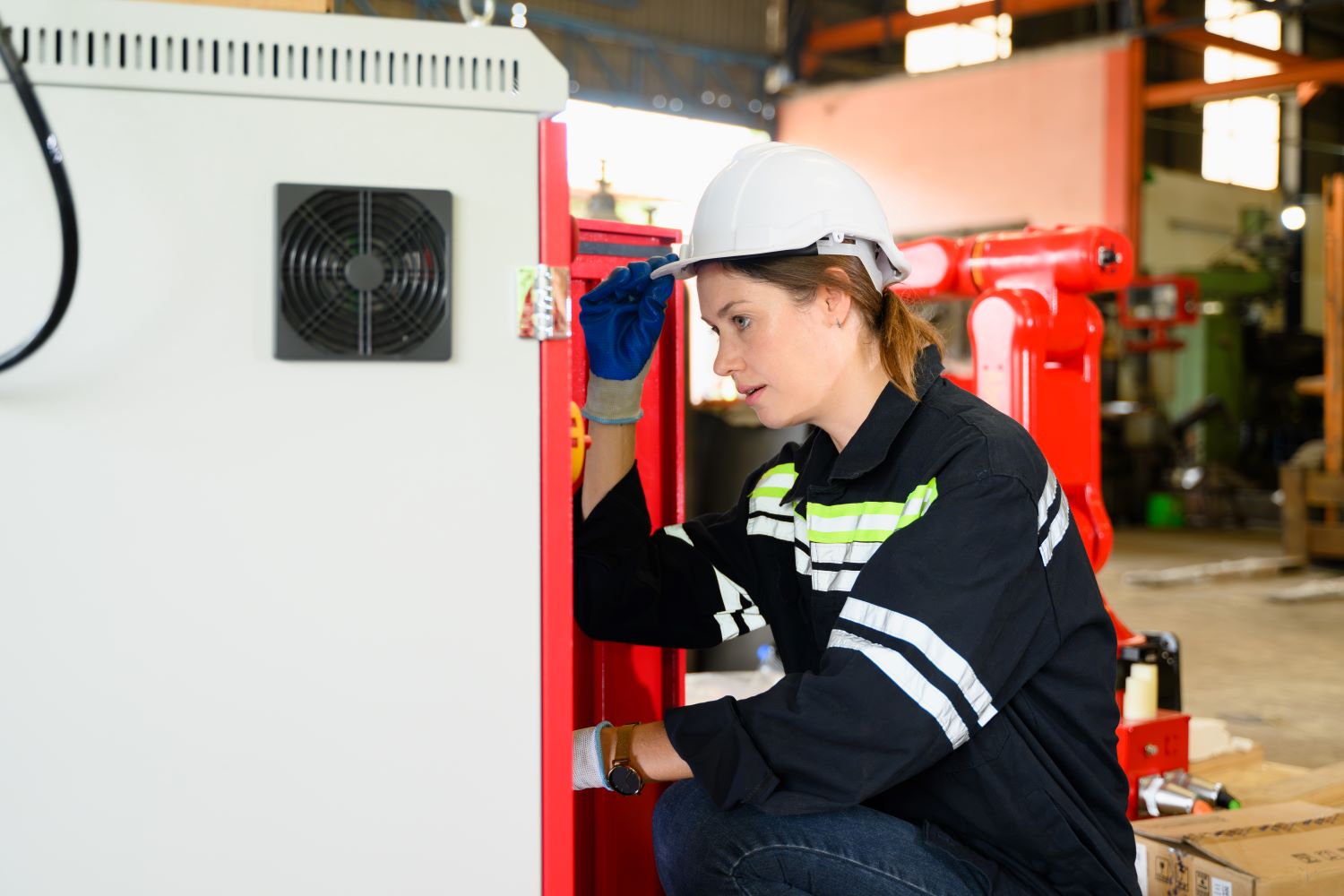
A reliable fire alarm system doesn’t just protect lives and property—it also ensures compliance with legal standards and insurance policies. Neglecting proper servicing can lead to fines, denied insurance claims, or worse, system failure during an emergency. That’s why a well-structured Maintenance Fire Alarm System program is more than a recommendation—it’s a requirement.
Why Fire Alarm Maintenance Is a Legal Obligation
Most countries and regions enforce strict building and fire codes. These laws mandate that a Maintenance Fire Alarm System be inspected and tested regularly. Compliance helps ensure:
- Early detection and reliable performance.
- Legal approval for building occupancy.
- Reduced liability for property owners and managers.
Failure to comply may result in penalties, forced shutdowns, or increased legal exposure if an incident occurs.
Insurance Requirements You Should Know
Insurance companies also require proof that your fire alarm system is properly maintained. Without documented servicing:
- Claims for fire damage may be denied.
- Premiums may increase due to higher risk.
- Insurers may refuse to cover the building until compliance is restored.
Maintaining clear records of inspections, tests, and repairs ensures that your Maintenance Fire Alarm System meets insurance conditions and keeps coverage valid.
Typical Maintenance Requirements
- Weekly or Monthly Checks
Simple tests of alarms, signals, and panels to confirm basic functionality. - Quarterly Inspections
Testing several detectors, circuits, and notification devices to ensure reliability. - Annual Comprehensive Service
Certified technicians test every component, replace worn parts, and document findings. - Record Keeping
Logs must be maintained and available for inspectors, insurers, or auditors.
Common Mistakes That Lead to Non-Compliance
- Skipping scheduled inspections or delaying servicing.
- Failing to document maintenance activities.
- Using uncertified personnel for repairs.
- Ignoring fault signals on the control panel.
These mistakes not only put occupants at risk but can also void insurance coverage.
Best Practices for Compliance
- Hire Certified Professionals: Only qualified technicians should maintain a Maintenance Fire Alarm System.
- Follow Local Codes: Regulations vary, so always confirm with local authorities.
- Keep Records Up to Date: Store inspection logs, certificates, and service reports securely.
- Integrate Maintenance Into Safety Plans: Combine alarm servicing with fire drills and staff training.
Conclusion
A Maintenance Fire Alarm System is not just about keeping equipment in good shape—it’s about meeting legal standards and insurance requirements. Regular inspections, accurate record-keeping, and certified servicing ensure compliance while protecting people, property, and coverage. By making maintenance a priority, building owners can avoid penalties, safeguard insurance claims, and guarantee that their fire alarm system is ready when it matters most.